
Ah, so you’ve decided my deranged ramblings are worthwhile listening to after all. Well, at the end of the last instalment of Encrypted Pigeons, I had a very healthy de-Googled phone, a bunch of data exports, and absolutely no way to do anything with them. The thing about Google apps is that you actually need to replace them with something. Stands to reason, really…
But I wasn’t going to be put off and return to American Big Tech. Rather than tackling Big Tech specifically, I decided it was the Americans who had to go. Hello Brussels.
My concern at this point wasn’t privacy per se — it was simply is an app British or European, and do I enjoy using it. A few notable cases come to mind with this.
Spotify: a lean, mean, profiling machine
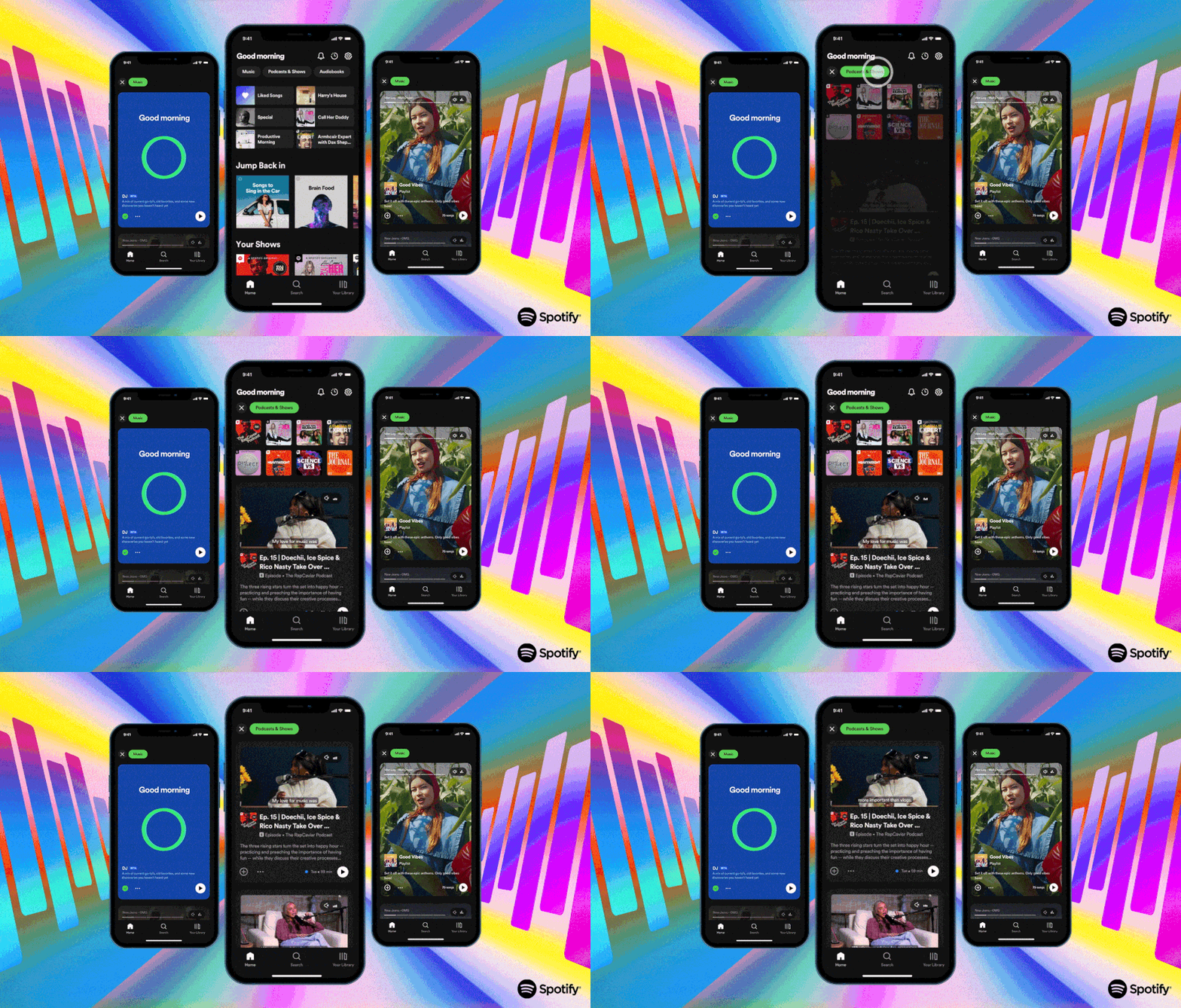
Spotify, it may surprise some people to learn, is actually a Swedish company based in Stockholm. It’s now the world’s largest music streaming platform, and the populariser of the “freemium” model.
It’s also arguably one of the biggest data profilers on the planet, in my opinion. The platform is built around algorithms collecting your preferences and curating playlists about them. And where does all that data go? Straight into Spotify’s servers.
I have my own personal story with Spotify, which I might talk about at some point. For now though, it’s a very good representation of how European software isn’t necessarily any different from US.
HERE WeGo: here we go again…

Google Maps is undeniably the most commonly used map and navigation system on the planet. And for good reason. A good map requires satellite data, street data, real-time traffic data, all to put together the basic features of navigation. The smaller a company and the less resources they have, the less likely they are to go beyond basic navigation and replace proper features.
HERE WeGo seemed perfect though. Alright it’s not as good as Google Maps, but it gets me from A to Bs with pretty good navigation. But just because HERE is based in the Netherlands, it still runs its own tracking and data collection services.
HERE showed to me that just because a company is European, doesn’t automatically make them the good guys. Data collection is a profitable enterprise, and location alone doesn’t dictate whether you get in on it or not.
Vivaldi: The “private chromium” oxymoron
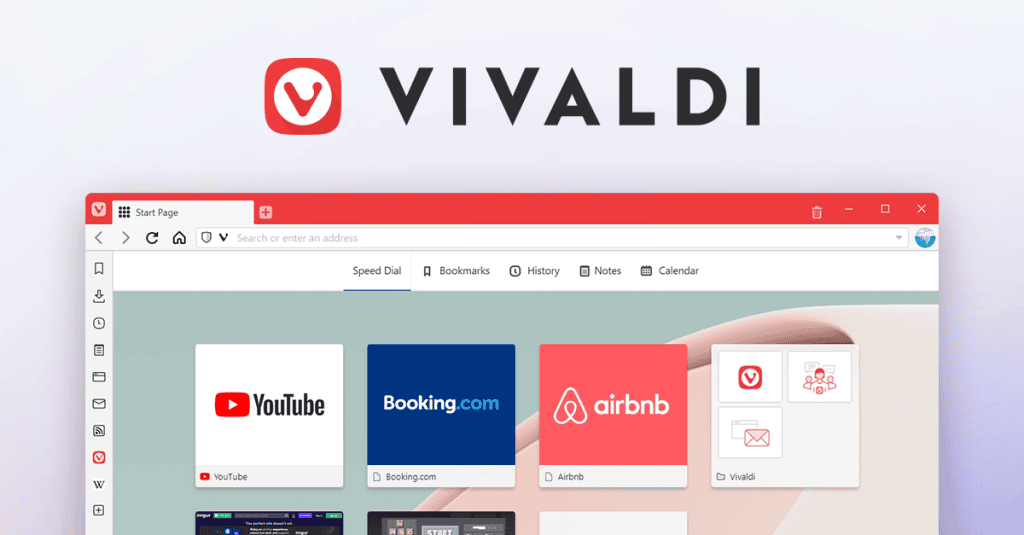
Vivaldi is named after the famous composer Antonio Vivaldi, most likely for no reason other than musical appreciation. It’s aimed at the power-user, with almost everything being customisable and alterable. It’s my primary phone browser still, and it works wonders.
It also positions itself very strongly against tracking users, which is a big thing for a browser. If your product sees everything the user does on the web, it can be hard to resist using that data for statistics, or making a profit, and I admire the Vivaldi team for that.
But it’s also based on Chromium, run by Google, so there are limits on what they can do. I bet that there are a number of features of tracking that Vivaldi has tried their hardest to remove, but couldn’t entirely. That’s nothing against the product — it’s a statement on how deeply ingrained surveillance is in the technology we use.
All of these cases, and many more, showed me something clear. The passport of a company isn’t the issue. A French company can partner with Google; a German one can sell data to third parties. The issue isn’t with the creator of the software, but the software itself, and the requirements it asks.
This is where I discovered Proton, the Swiss privacy company aiming to do Google’s job for them. Their products are genuinely amazing, and I use them everyday. Email, calendar, passwords. I trust Proton with that. Not simply because they’re European, but because I actually agree with their mission statement. The world needs a truly private personal ecosystem, which Proton can — mostly — provide.
That said, there is one issue we still face. Ever persistent and working against me it seems: my contacts. Proton Mail does run a competent Contacts system, but it seems intended for email contacts, which I want separate to personal address books. On top of that, no native mobile integration beyond Mail app, no mobile editing, make Proton Contacts less than ideal for everyday use. This gap sent me looking once again.
So I was back on the hunt, this time with a different goal in mind. If Europe can’t provide privacy, then maybe I need to look at the software itself. I mean, deeply look at it… right down to the source code.